How To Use Skin Polish Correctly at Home – Step By Step Beginner Guide

You applied skin polish expecting instant glow… but instead your skin felt red, dry, rough, or irritated? This happens with many people in Pakistan because most beginners use skin polish the wrong way. Some rub too hard, some leave it on for too long, while others use it too frequently thinking more exfoliation means better results. The truth is, skin polishing is not just about applying a product on your face.

The correct method, massage technique, timing, pressure, and aftercare all matter if you want smooth, fresh, and glowing skin without irritation. At DR. AURA, we always recommend gentle exfoliation instead of harsh scrubbing because healthy skin looks naturally fresher, softer, and more radiant over time.  In this complete beginner-friendly guide, you will learn:

  • How to use skin polish step by step
  • The correct way to apply skin polish at home
  • Common skin polishing mistakes
  • How long to leave skin polish on face
  • What to do before and after skin polishing
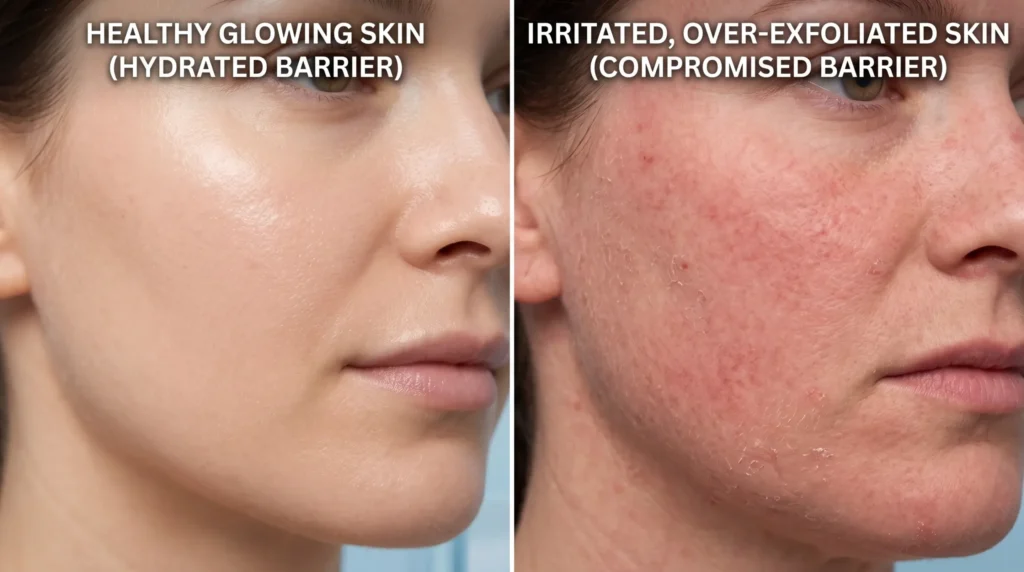
  • Signs of over-exfoliation
  • Tips for getting smoother and brighter-looking skin safely

Whether you are preparing for a wedding, party, Eid event, makeup session, or simply want healthier-looking skin, this guide will help you use skin polish correctly without damaging your skin barrier.

Things To Do Before Using Skin Polish

Before starting skin polishing, preparing your skin properly is very important. This helps reduce irritation and gives smoother-looking results.

Before Skin PolishingWhy It Matters
Wash hands properly

Prevents dirt and bacteria transfer

Remove makeup completely

Helps skin polish work evenly
Use a gentle cleanserRemoves oil, sweat, and pollution
Tie your hair backPrevents product buildup near hairline
Do a patch testHelps check skin sensitivity
Avoid active acne areasPrevents irritation and redness
Avoid sunburned skinFreshly damaged skin is more sensitive
Keep a soft towel nearbyHelps avoid rough drying

If your skin already feels irritated, itchy, or damaged, it is better to wait before doing any exfoliation treatment.
➡️ Choosing the right skin polish is just as important as applying it correctly. If you’re looking for the best options available, check out our guide on Best Skin Polish for Glowing Skin in Pakistan.

What You Need Before Skin Polishing

You do not need expensive salon tools for basic skin polishing at home. Most people only need:

  • A gentle face cleanser
  • Skin polish product
  • Soft towel
  • Moisturizer
  • Clean water
  • Cotton pads or soft sponge

Keeping the process simple usually works better for beginners.

How To Use Skin Polish Step By Step

Step 1 – Clean Your Face Properly Start by washing your face with a gentle cleanser. This removes:

  • dirt
  • sweat
  • excess oil
  • sunscreen
  • pollution particles

Always use lukewarm water instead of very hot water because hot water may dry out the skin barrier. After cleansing, gently pat your skin dry with a soft towel. Do not rub aggressively. Clean skin allows better exfoliation and smoother product application.
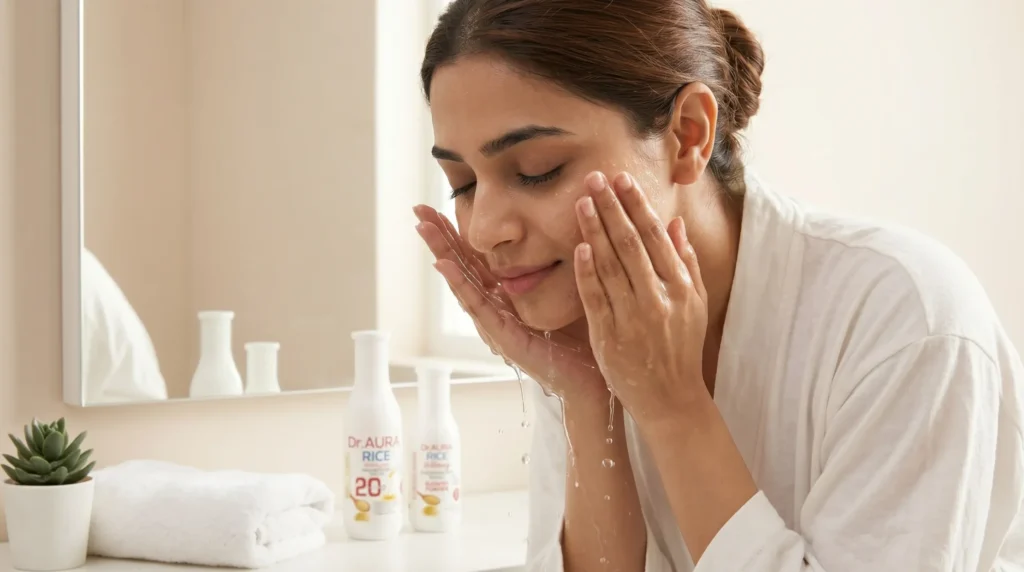

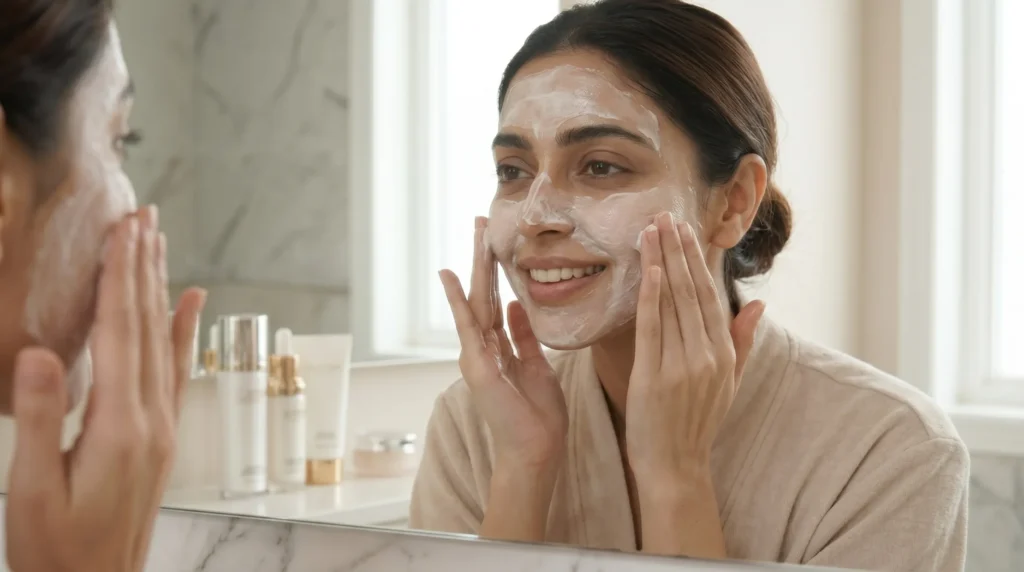
Woman cleansing face before skin polishing treatment at home

Step 2 – Open Your Pores Gently

Many people directly apply skin polish without softening the skin first.

You can either:

  • use light steam for 1–2 minutes
    OR
  • place a warm towel on the face for a short time

This helps loosen surface buildup and makes the polishing process gentler.

If you have very sensitive skin or redness-prone skin, you can skip steaming completely.

Step 3 – Take the Correct Amount of Skin Polish

One of the most common beginner mistakes is applying too much product.

You only need a small amount for the entire face.

A thick layer does not improve results. Instead, it may:

  • increase irritation
  • clog pores
  • make cleansing difficult

Spread the product evenly across the skin without overloading one area.

Correct amount of skin polish for safe exfoliation and glowing skin

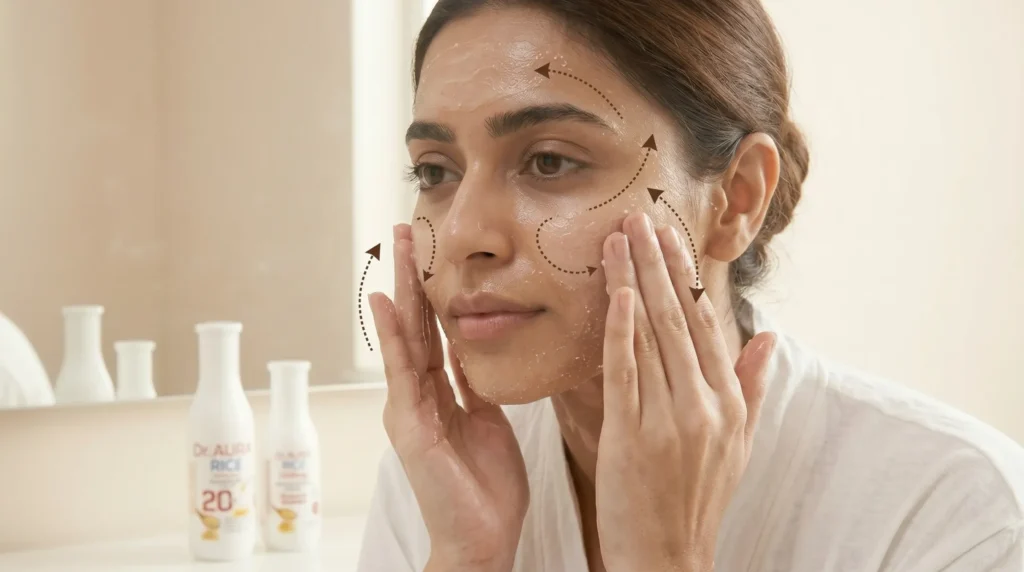
Step 4 – Apply Using Gentle Circular Motions

This step is extremely important.

Use your fingertips to massage the skin polish using soft circular motions.

Focus more on:

  • nose
  • chin
  • forehead

because these areas usually collect more oil and dead skin buildup.

Avoid:

  • harsh rubbing
  • strong pressure
  • scratching movements

The under-eye area should always be avoided because the skin there is thinner and more delicate.

For better-looking results:

  • move fingers upward
  • keep pressure light
  • massage slowly

Aggressive exfoliation does not make skin glow faster.

How to apply skin polish using gentle circular upward motions

Step 5 – Massage for the Right Amount of Time

Many people ask:

“How long should skin polish stay on face?”

The answer depends on:

  • skin sensitivity
  • product instructions
  • exfoliation strength

Usually, gentle massage for a few minutes is enough.

Do not continue rubbing once the skin starts feeling:

  • dry
  • tight
  • uncomfortable

Over-massaging may damage the skin barrier and increase redness.

If you are a beginner, shorter sessions are usually safer.

Step 6 – Wash Your Face Properly

After polishing, rinse your face with cool or normal water.

Make sure no product residue remains around:

  • nose corners
  • jawline
  • hairline

Do not use very hot water after exfoliation because freshly polished skin may feel more sensitive.

When drying your face:

  • use a soft towel
  • pat gently
  • avoid friction

This helps reduce irritation after exfoliation.

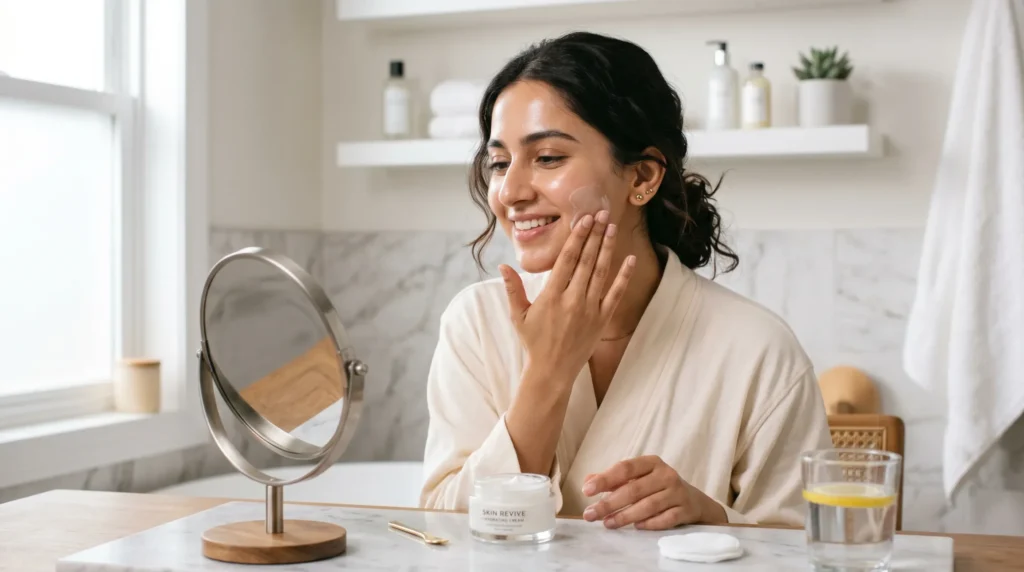
Step 7 – Apply Moisturizer Immediately

Freshly exfoliated skin can lose moisture quickly.

Applying moisturizer after skin polishing helps:

  • support hydration
  • reduce dryness
  • improve skin comfort
  • maintain softer-looking skin

Choose lightweight moisturizers for oily skin and nourishing creams for dry skin.

Step 8 – Use Sunscreen During Daytime

This step is often ignored by beginners.

Freshly polished skin may become more sensitive to UV exposure and tanning.

If you are going outside during daytime, sunscreen helps protect the skin from:

  • sun damage
  • uneven tone
  • dullness
  • sensitivity

Consistent sun protection is important for maintaining healthy-looking skin.

What To Do After Skin Polishing

After Skin PolishingWhy It Helps
Apply moisturizer

Supports hydration and softness

Use sunscreenHelps protect sensitive skin
Drink enough waterSupports healthy-looking skin
Avoid harsh scrubsPrevents over-exfoliation
Avoid excessive sunlightReduces irritation risk
Keep skincare gentle

Helps skin recover comfortably

Avoid touching face repeatedly

Helps keep pores cleaner
Let skin rest

Supports smoother appearance

Common Skin Polish Mistakes Beginners Make

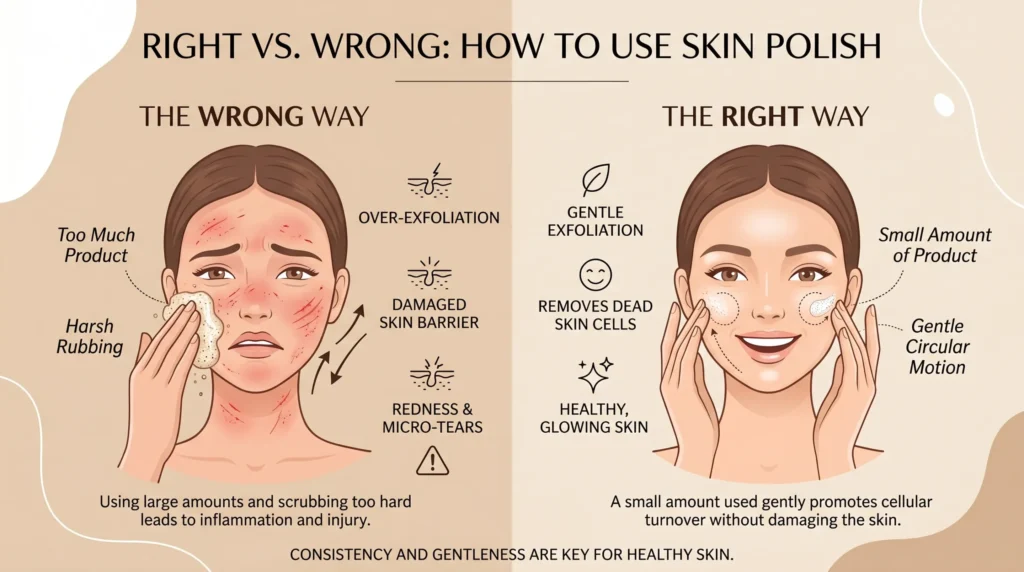
  1. Rubbing Too Hard

Strong pressure can damage the skin barrier instead of improving glow.

Gentle exfoliation usually gives better and safer results.

  1. Using Skin Polish Daily

Skin polishing is not meant for daily use.

Over-exfoliation may lead to:

  • redness
  • dryness
  • irritation
  • flaky skin

Consistency matters more than excessive use.

  1. Leaving Product for Too Long

Keeping skin polish on the face longer than recommended does not improve brightness faster.

Instead, it may increase sensitivity.

  1. Applying on Active Pimples

Exfoliating inflamed acne may worsen irritation and discomfort.

Avoid polishing over broken or infected skin.

  1. Skipping Moisturizer

After exfoliation, hydration becomes even more important.

Dry skin after polishing often happens when people forget moisturizer.

Common skin polishing mistakes and correct way to use skin polish

Signs You May Be Overusing Skin Polish

If your skin starts showing these signs, reduce exfoliation frequency:

  • burning sensation
  • unusual redness
  • excessive dryness
  • skin peeling
  • tight feeling
  • irritation after skincare products
  • increased sensitivity

Healthy skin should feel smoother and fresher — not painful or damaged.

Signs of over exfoliation after excessive skin polishing treatment

Best Time To Use Skin Polish

Nighttime is usually considered a better time for skin polishing because the skin gets time to recover while you sleep.

Many people also use skin polishing before:

  • bridal makeup
  • weddings
  • Eid
  • parties
  • professional makeup sessions

Using skin polish one day before an event is usually safer than doing it right before makeup.

Who Should Avoid Skin Polishing Temporarily?

Avoid skin polishing if you currently have:

  • active skin infection
  • cuts or wounds
  • severe acne inflammation
  • sunburn
  • allergic skin reaction
  • extremely irritated skin

In these situations, it is better to let the skin recover first.

Beginner Tips For Better Skin Polishing Results

  • Always start gently
  • Do not combine multiple exfoliators together
  • Use clean hands and towels
  • Avoid rushing the massage process
  • Stay consistent with skincare
  • Hydrated skin usually responds better
  • Follow product instructions carefully
  • Focus on healthy glow instead of aggressive whitening

Small skincare habits often create better long-term results than harsh treatments.

Final Thoughts

Using skin polish correctly can help improve rough texture, dullness, dead skin buildup, and uneven-looking skin while supporting a smoother and fresher appearance.

The most important thing is using gentle exfoliation techniques instead of aggressive scrubbing. Proper cleansing, soft massage, hydration, and sunscreen all play an important role in achieving healthier-looking and naturally glowing skin.

If you want to choose the right skin polish according to your skin type, you can also read our complete guide on the best skin polish for glowing skin in Pakistan.

Have any questions? Feel free to contact us.
Fill out this field
Please enter a valid email address.
Fill out this field

Frequently Asked Questions

Follow a gentle skincare routine with cleansing, moisturizer, sunscreen, hydration, and mild exfoliation like skin polishing 1–2 times weekly for fresher-looking skin.

Apply a gentle moisturizer after skin polishing, and use sunscreen during daytime to protect freshly exfoliated skin.

Skin polishing may help improve dullness, rough texture, and dead skin buildup for smoother and fresher-looking skin.

Yes, skin polishing can be done safely at home using gentle products and soft massage techniques.

Leave a Reply

Your email address will not be published. Required fields are marked *

Fill out this field
Fill out this field
Please enter a valid email address.
You need to agree with the terms to proceed